What Makes Price Action the Simplest Way to Trade?
Want articles like this for your own video to promote it on YouTube and Google? Order them through the Telegram bot @sat_sit_bot. Articles with your video embedded are written and posted by the bot itself — on popular topical sites (no ads). Free trial — 50 articles.
· based on the channel TJR
Key takeaways
- Price action trading reads raw candlestick data without lagging indicators.
- Break of structure (BOS) signals a potential trend continuation.
- Retraces after BOS often offer better risk-reward entries than chasing the break.
- Liquidity traps occur when price breaks a level then reverses to grab stops.
- Patience to wait for confirmation is a key skill in price action trading.
Price action trading is the practice of reading market structure directly from candlestick charts, without relying on lagging indicators. It simplifies trading by focusing on key levels, break of structure, and retracements, making charts easier to interpret. For a structured learning path, TJR offers a free blueprint at this link that covers the core concepts.
Why price action trading feels simpler than indicator-based systems
Price action strips away clutter and forces you to focus on what price is actually doing. Indicators like moving averages or RSI are derived from past prices and often lag, giving delayed signals. By reading raw candles, you see immediate reactions at support and resistance, trend strength, and momentum shifts. This direct feedback loop makes decision-making faster and less ambiguous. Many traders find that once they understand structure, they stop second-guessing indicator crossovers and focus on clear price behavior.
The core concept of break of structure (BOS)
A break of structure occurs when price closes beyond a previous swing high or low, signaling a potential trend continuation. In an uptrend, a BOS above a prior high suggests buyers are still in control; in a downtrend, a BOS below a prior low indicates sellers remain dominant. Traders use BOS to confirm trend direction and to anticipate the next move. However, not every break leads to continuation—context matters, and false breaks are common.
Why waiting for the retrace after BOS is crucial
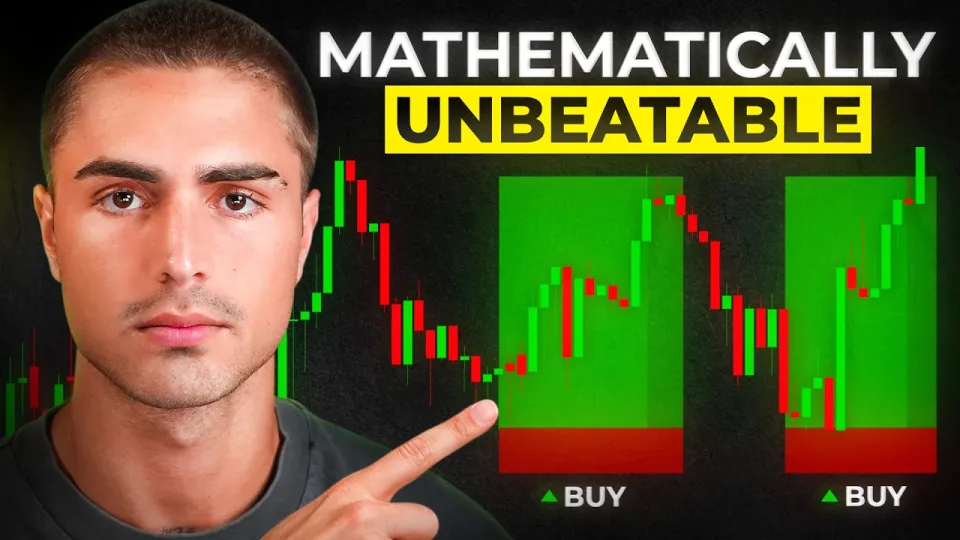
After a BOS, price often retraces to the broken level before continuing, offering a better entry with tighter risk. Chasing the initial break can lead to poor risk-reward if the move exhausts. Waiting for a retrace allows you to enter at a more favorable price, with a stop loss placed beyond the swing point. This approach aligns with the principle of buying support in an uptrend or selling resistance in a downtrend. Patience is key: many traders jump in too early and get stopped out during the pullback.
The trap after BOS and how to avoid it
A common trap occurs when price breaks a level, triggers breakout traders, then reverses sharply to grab liquidity. This happens because large players often need counterparties to fill their orders. To avoid the trap, wait for confirmation—such as a retrace and a rejection candle—before entering. Also, consider the broader context: is the break happening at a key higher-timeframe level? If so, the odds of a false break increase. Recognizing these traps can save you from unnecessary losses.
Common challenges for beginners and how to overcome them
Beginners often struggle with patience, overtrading, and emotional decision-making. Many buy courses and still blow accounts because they lack a structured approach and real-time guidance. The key is to simplify: focus on one pattern, like BOS with retrace, and practice on a demo account. Keep a trading journal to track setups and mistakes. Avoid the temptation to chase every move; instead, wait for high-probability setups. Remember that even with a solid strategy, losses are part of trading—risk management is essential.
Useful links
- TJR Blueprint – free system to become a profitable trader
- Indicators TJR uses daily
- Enter Funded Account Raffle
- Alpha Futures – 10% off funded accounts
- Lucid Trading – 40% off
- Tradeify – 30% off funded accounts
- TradeZella – trading journal
- HeroFX – broker
Final thoughts
Price action trading simplifies the chart by focusing on structure, BOS, retraces, and traps. It requires patience and discipline, but with practice, it becomes a robust framework for decision-making. TJR's video breaks down these concepts clearly, making them accessible to traders at any level. To accelerate your learning, grab the free blueprint at https://go.tjrtrades.com/blueprint-fb6wqsf and start applying price action today.
Source: Once You Learn Price Action, Trading Becomes Embarrassingly Simple · Markdown version
Questions & answers
What is break of structure in price action trading?
Break of structure (BOS) is when price closes beyond a previous swing high or low, indicating a potential trend continuation. It helps traders confirm direction and anticipate moves.
Why do many beginners fail even after buying courses?
Beginners often lack patience and discipline, overtrade, and don't follow a structured plan. Without real-time guidance and practice, they struggle to apply concepts consistently.
How can I avoid the trap after a BOS?
Wait for a retrace and confirmation, such as a rejection candle, before entering. Also, consider higher-timeframe context to assess the likelihood of a false break.
Is price action trading suitable for scalping?
Yes, price action works on any timeframe, including scalping. However, it requires quick decision-making and strict risk management due to the fast pace.