How to Start Trading Effectively as a Beginner and Choose the Best Approach
Want articles like this for your own video to promote it on YouTube and Google? Order them through the Telegram bot @sat_sit_bot. Articles with your video embedded are written and posted by the bot itself — on popular topical sites (no ads). Free trial — 50 articles.
· based on the channel Sierra Aaliyah
Key takeaways
- Start trading with $300 to $2,000 for manageable risk
- Use paper trading to practice before risking real money
- Understand calls vs puts and options vs futures
- Master 3 core trading concepts: market structure, candlesticks, psychology
- Recommended platforms: Webull broker and TradingView charts
Trading is the process of buying and selling financial instruments like stocks, options, or futures to profit from price movements. For beginners, the best way to start trading effectively is by understanding the basics, using accessible platforms, and practicing without risking large sums initially. This article explains how to start trading, what tools to use, and the mindset required for consistent progress. For bonus resources and mentorship opportunities, consider joining Crystal Academy by Sierra Aaliyah.
What Trading Actually Is and Common Misconceptions
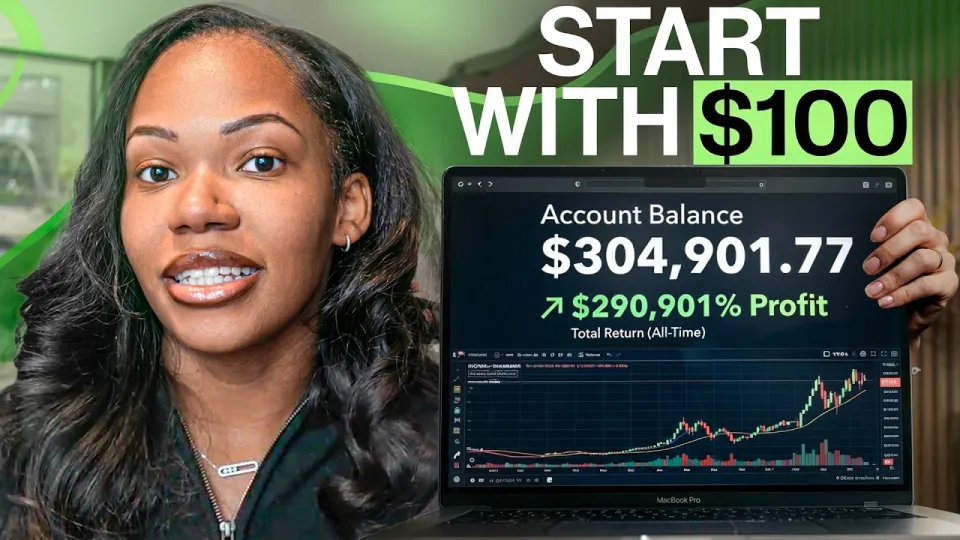
Trading involves actively buying and selling assets within short time frames to capitalize on market fluctuations. It is NOT a get-rich-quick scheme or gambling. Instead, it requires education, discipline, and patience to succeed. Many beginners mistakenly believe they need huge capital or a finance degree to start; however, starting with $300 to $2,000 is sufficient to learn and grow. The goal is to build skills and understanding gradually.
Essential Trading Concepts Every Beginner Must Learn
Before entering real trades, mastering three foundational concepts is crucial:
- Market Structure – Understanding how price moves in trends, ranges, and key levels.
- Candlestick Reading – Learning how to interpret candlestick charts to gauge market sentiment.
- Trading Psychology – Developing emotional discipline to manage fear, greed, and patience.
These concepts form the basis for making informed trading decisions and avoiding common beginner pitfalls.
Exploring Options and Futures: Which Fits Your Schedule?
Options and futures are popular derivatives used in trading but serve different purposes:
- Options give the right (not obligation) to buy or sell an asset at a set price before a specific date. Beginners often start with options because they can control risk and require less capital.
- Futures are contracts obligating the purchase or sale of an asset at a future date. They tend to be more complex and require higher capital but offer high leverage.
Choosing between options and futures depends on your available time and risk tolerance. Options can suit those with limited time since they can be held longer, whereas futures often require constant monitoring.
Recommended Platforms: Webull and TradingView
For beginners, selecting user-friendly and reliable platforms is essential.
- Webull is the recommended broker offering commission-free trades and free stock bonuses for new signups (link). It supports stocks and options trading with a straightforward interface.
- TradingView is an excellent charting platform to analyze market data visually and apply technical indicators. It helps traders read candlestick patterns and market structure clearly.
Using these platforms together equips beginners with the tools needed to analyze markets and execute trades efficiently.
The Importance of Paper Trading and Risk Management
Before risking real money, beginners should practice with paper trading — simulated trading without real capital. This approach allows you to test strategies, understand market behavior, and build confidence. If you can consistently double a virtual $1,000 account, you are better prepared for real trading.
Risk management is equally critical: limit your initial trading capital to $300–$2,000 and never risk more than 1–2% of your account on a single trade. This protects your funds and helps you survive the inevitable losses during learning.
Common Challenges Beginners Face and How to Overcome Them
Many beginners quit within the first two months due to losses, frustration, or unrealistic expectations. Typical struggles include:
- Misreading charts and reacting to every market wobble.
- Chasing quick profits without a plan.
- Emotional trading influenced by fear or greed.
To overcome these, focus on patience, stick to your strategy, and maintain a learning mindset. Joining communities like Sierra Aaliyah’s trading Discord can provide mentorship and peer support.
Summary and Next Steps
Starting trading as a beginner requires realistic expectations, education, and the right tools. By learning core concepts such as market structure, candlestick reading, and trading psychology, practicing with paper trading, and using platforms like Webull and TradingView, you set yourself up for sustainable success. Remember that trading is a journey, not a sprint.
Explore more learning and mentorship options at Crystal Academy by Sierra Aaliyah to deepen your skills and access community support.
Useful Links
- Crystal Academy mentorship and resources: https://whop.com/c/crystal-academy/youtube
- Webull broker signup with free stock bonus: https://www.webull.com/k/SierraUSA
- Sierra Aaliyah Instagram: https://www.instagram.com/sierra.aaliyah/
- Sierra Aaliyah TikTok: https://www.tiktok.com/@sierraxliyah
Source: How To Start Trading As A Beginner In 2026 (Step-by-Step) · Markdown version
Questions & answers
Is it necessary to have a finance degree to start trading?
No, a finance degree is not required to start trading. Many successful traders, including the example from Sierra Aaliyah, are self-taught and learn through practice, online resources, and mentorship.
How much money should a beginner start trading with?
Beginners are advised to start trading with an amount between $300 and $2,000 to manage risk effectively. This range allows for learning without risking excessive capital.
What is paper trading and why is it important?
Paper trading involves simulated trading using virtual money. It is important for beginners to practice strategies and understand market behavior without risking real money, increasing the chances of success when trading live.
Can beginners become consistently profitable traders?
Consistent profitability is achievable but requires time, education, discipline, and risk management. Many beginners face challenges and losses initially, but persistence and learning from mistakes lead to improvement over time.